Online Bank Overdraft Transfer Timing Risk Calculator
Estimate whether an online-bank transfer may arrive before a bill, debit or overdraft risk window, then verify official transfer timing and overdraft terms.
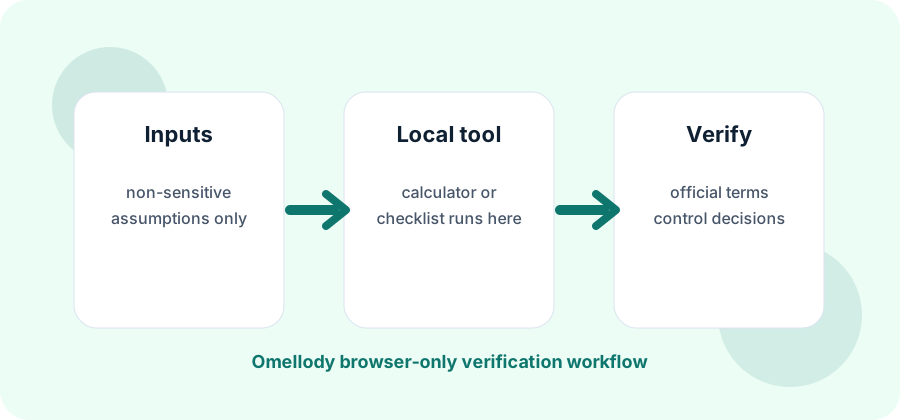
Updated 2026-06-19. Do not enter account numbers, passwords, MFA codes, Social Security numbers, transfer control numbers or private financial messages.
Browser-only calculator/checklist
| Shortfall before transfer | |
|---|---|
| Projected balance after transfer | |
| Timing gap | |
| Risk fee to verify |
This tool runs locally in your browser. It does not fetch live bank, transfer, fee, FX, eligibility or compliance data.
How to use / 使用方法
- Enter only rough balances, bill amounts and timing assumptions—never account numbers or login details.
- Compare the transfer arrival window with the date a debit, bill pay or card autopay may post.
- If the timing gap is late, verify faster funding, backup payment and overdraft rules through your bank.
- Use the linked online-bank comparisons only after confirming current official terms.
Official verification box / 官方验证盒
Verify the current version of these items on official provider pages, disclosures or support documents:
- Official transfer cutoff, ACH hold, instant-transfer and bill-pay posting rules
- Overdraft, returned-item, transfer-limit and fee schedule language
- Whether available balance differs from current balance for pending debits
- Alerts, grace periods, backup funding and account-specific restrictions
Commercial next steps
Related Omellody tools
FAQ
Does this predict the exact posting time?
No. It only models the assumptions you enter. Official bank posting, cutoff, hold and overdraft terms control.
Should I enter account details?
No. Use only rounded planning numbers. Do not enter account numbers, routing numbers, passwords or private bank messages.
Is this financial advice?
No. This is educational planning support, not personalized financial, tax, legal, banking or credit advice.
Disclaimer
This page is educational content and not personalized financial, tax, legal, credit, banking, privacy, cybersecurity, compliance or professional advice. Official provider terms and qualified professional guidance control individual decisions.